
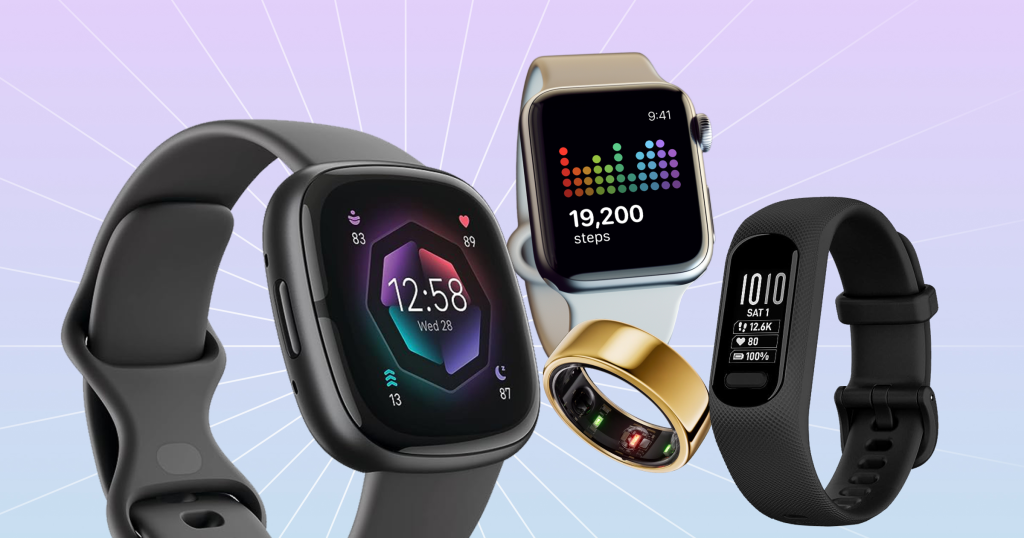

For the past decade, consumer wearable technology has been largely synonymous with the smartwatch and the fitness tracker. These devices, while undeniably useful for counting steps and displaying text notifications, have arguably reached a plateau in both design and utility. However, a new wave of ambient, unobtrusive wearables is emerging to challenge the screen-centric status quo of personal gadgets.
The most prominent contenders in this shifting landscape are smart rings and biometric jewelry. By ditching the traditional digital display, these compact accessories focus purely on continuous, high-fidelity health monitoring without the constant distraction of digital alerts. They fit seamlessly into a user’s lifestyle, tracking sleep stages, heart rate variability, and blood oxygen levels with medical-grade accuracy while looking like ordinary fashion pieces.
Concurrently, augmented reality smart glasses are finally stepping out of the realm of science fiction and into practical reality. Thanks to breakthroughs in micro-LED displays and lightweight prescription lenses, these glasses overlay contextual data directly onto the wearer’s field of vision. Whether navigating city streets with floating directional arrows or viewing real-time transcripts of a conversation, the user interface is merging directly with our physical surroundings.
This hardware evolution is powered by massive improvements in battery chemistry and low-energy microprocessors. Engineers have managed to shrink sensors to the size of a grain of rice, allowing them to be woven directly into smart fabrics and athletic apparel. This means the future of wearables may not be an external accessory at all, but rather the very clothes we wear every day.
As these devices become deeply integrated into our daily routines, they raise vital questions about personal data privacy and digital consent. Collecting highly intimate biometric data and recording physical environments requires robust, onboard encryption to prevent unauthorized surveillance. Ensuring that users maintain absolute ownership over their personal telemetry data will be the defining battleground for next-gen wearable manufacturers.


 English