
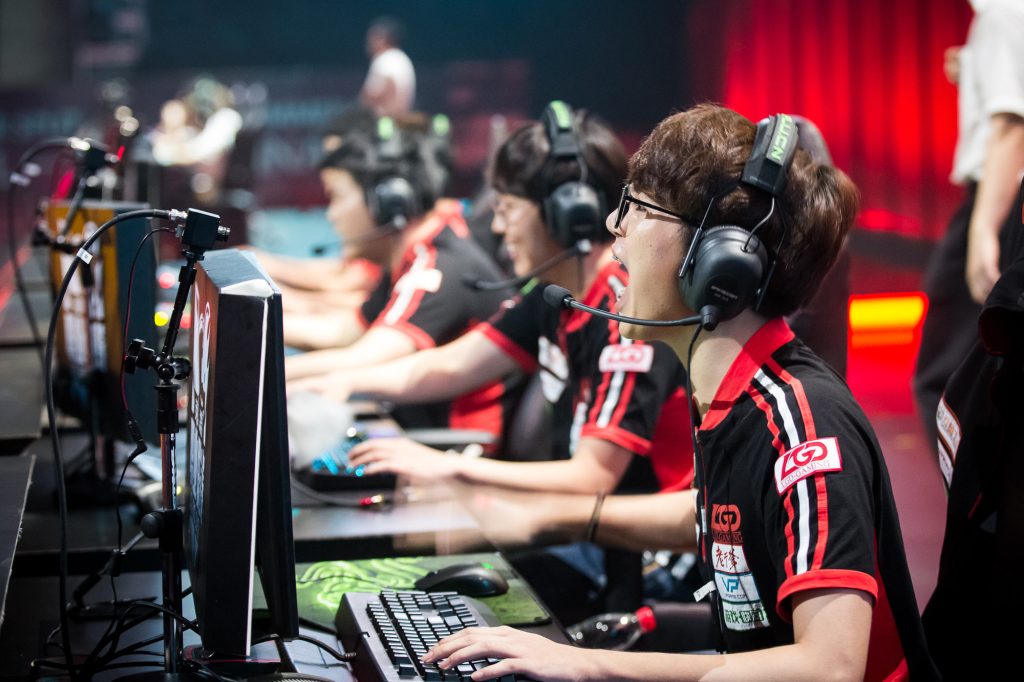

A generation ago, the idea of a university offering athletic scholarships for video game players would have been dismissed as an absurd joke. Competitive gaming was largely confined to dimly lit internet cafes and casual arcade tournaments, far removed from the cultural prestige of traditional sports. Today, however, esports has undergone a massive institutional shift, cementing itself as a legitimate and highly competitive facet of collegiate athletics.
Hundreds of universities across the globe now boast varsity esports programs, complete with dedicated training facilities, professional coaching staffs, and structured recruitment pipelines. These programs operate under the same rigorous standards as traditional athletic departments, requiring student-athletes to maintain strict academic eligibility and participate in structured physical fitness routines to combat repetitive strain injuries.
The driving force behind this institutional embrace is the immense demographic shift in student engagement and entertainment consumption. Traditional collegiate sports have seen a steady decline in viewership among younger generations, who increasingly prefer watching live-streamed competitive gaming tournaments. Universities have recognized that a successful esports program is a powerful marketing tool for attracting top-tier global talent, particularly in lucrative technology and engineering fields.
Furthermore, the collegiate esports ecosystem has created a massive pipeline for a multi-billion-dollar professional industry. Student-athletes are no longer just competing for school pride; they are auditioning for professional organizations, streaming networks, and game development studios. The transferable skills learned in these programs, such as data analytics, broadcast production, and team management, provide students with viable career paths well beyond graduation.
As collegiate esports continues to mature, it faces the ongoing challenge of establishing a unified, overarching governing body to standardize rules and tournament structures. Navigating the complex intellectual property rights owned by game publishers—something traditional sports never have to worry about—adds another layer of bureaucratic complexity. Nevertheless, the momentum is undeniable, and competitive gaming has officially earned its place in the pantheon of university sports.

 English