
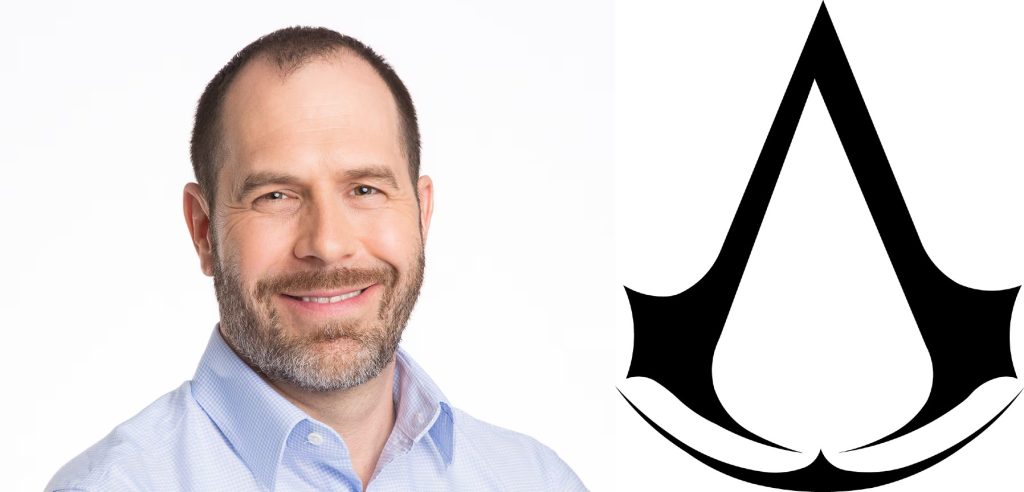

In a significant move for one of its most valuable franchises, Ubisoft has appointed Martin Schelling as the new Head of the Assassin’s Creed brand. The decision comes during a broader restructuring effort within the company, signaling a renewed commitment to strengthening the long-running series as it prepares for its next phase. With nearly two decades of history behind it, Assassin’s Creed remains a cornerstone of Ubisoft’s global strategy, and this leadership shift underscores the publisher’s intention to protect and evolve that legacy.
Schelling is no stranger to the franchise. A longtime Ubisoft veteran, he has held senior production roles across several major entries in the series. His experience spans key installments that helped define Assassin’s Creed’s transformation from a stealth-focused historical action game into a sprawling open-world RPG experience. That background positions him uniquely to understand both the creative ambitions and operational demands of managing such a large-scale brand.
As Head of the Assassin’s Creed Brand, Schelling will oversee long-term vision, strategic planning, and overall franchise direction. His role goes beyond individual game development, extending into transmedia opportunities, community engagement, and brand cohesion across global markets. With multiple Assassin’s Creed titles reportedly in development, consistent oversight will be critical to maintaining quality and narrative continuity.
The appointment is part of a newly formed leadership structure designed to centralize decision-making for Ubisoft’s biggest intellectual properties. Rather than relying on separate studios operating independently, the company is moving toward a more unified approach. This model aims to streamline production pipelines, improve collaboration between international teams, and ensure that every major release aligns with a clear overarching vision.
Joining Schelling in this refreshed leadership framework are other experienced franchise figures tasked with guiding creative and production excellence. Together, the team represents a blend of institutional knowledge and forward-looking ambition. Ubisoft appears to be leaning on seasoned developers who understand the DNA of Assassin’s Creed while also embracing the need to adapt to changing player expectations.
The leadership shift follows a period of transition within Ubisoft, including executive changes and evolving business strategies. The company has faced mounting pressure in recent years to deliver stronger financial performance and more consistent critical success. Reinforcing the Assassin’s Creed brand is widely seen as a key component of stabilizing that trajectory, given the series’ proven commercial power.
For fans, Schelling’s appointment may signal a renewed emphasis on storytelling depth and world-building — elements that originally propelled Assassin’s Creed to global acclaim. While recent entries have expanded the RPG mechanics and open-world scope, longtime players often call for a tighter narrative focus and stronger ties to the franchise’s core themes of secrecy, history, and ideological conflict.
At the same time, Ubisoft must navigate modern gaming trends, including live-service integration, post-launch content support, and cross-platform ecosystems. Schelling’s leadership will likely involve balancing these commercial realities with the franchise’s traditional single-player roots. Finding that equilibrium will determine how Assassin’s Creed competes in an increasingly crowded AAA landscape.
The franchise remains one of Ubisoft’s most recognizable global brands, spawning novels, comics, film adaptations, and extensive merchandising. Maintaining coherence across these extensions will be part of Schelling’s expanded responsibilities. Brand stewardship today involves more than overseeing a game release; it requires maintaining a consistent identity across multiple forms of media and entertainment.
Ultimately, Martin Schelling’s new role represents both continuity and opportunity for Assassin’s Creed. With deep experience inside the franchise and a mandate to unify its direction, he steps into a position that carries significant expectations. As Ubisoft prepares its next slate of releases, the industry will be watching closely to see how this leadership transition shapes the future of one of gaming’s most enduring action-adventure series.


 English